Understanding Anemia: Symptoms, Causes, and Treatment Options
By drvhouston

Medically reviewed by Dr. Vuslat Muslu Erdem, MD
Do you find yourself feeling exhausted, short of breath, or constantly cold, even when the Texas sun is shining?
Many adults dismiss persistent fatigue as a byproduct of a busy lifestyle or simple lack of sleep. However, when these feelings become your new normal, they may be signaling a deeper physiological issue. Anemia is a common condition where your blood lacks enough healthy red blood cells to carry adequate oxygen to your body’s tissues, often leading to a cascade of physical and mental health challenges.
In this article, we will explore the underlying causes of anemia, how to identify the warning signs, and the importance of seeking professional anemia treatment in Houston. Understanding your blood health is the first step toward regaining your energy and vitality.
What is Anemia and Why Does it Happen?
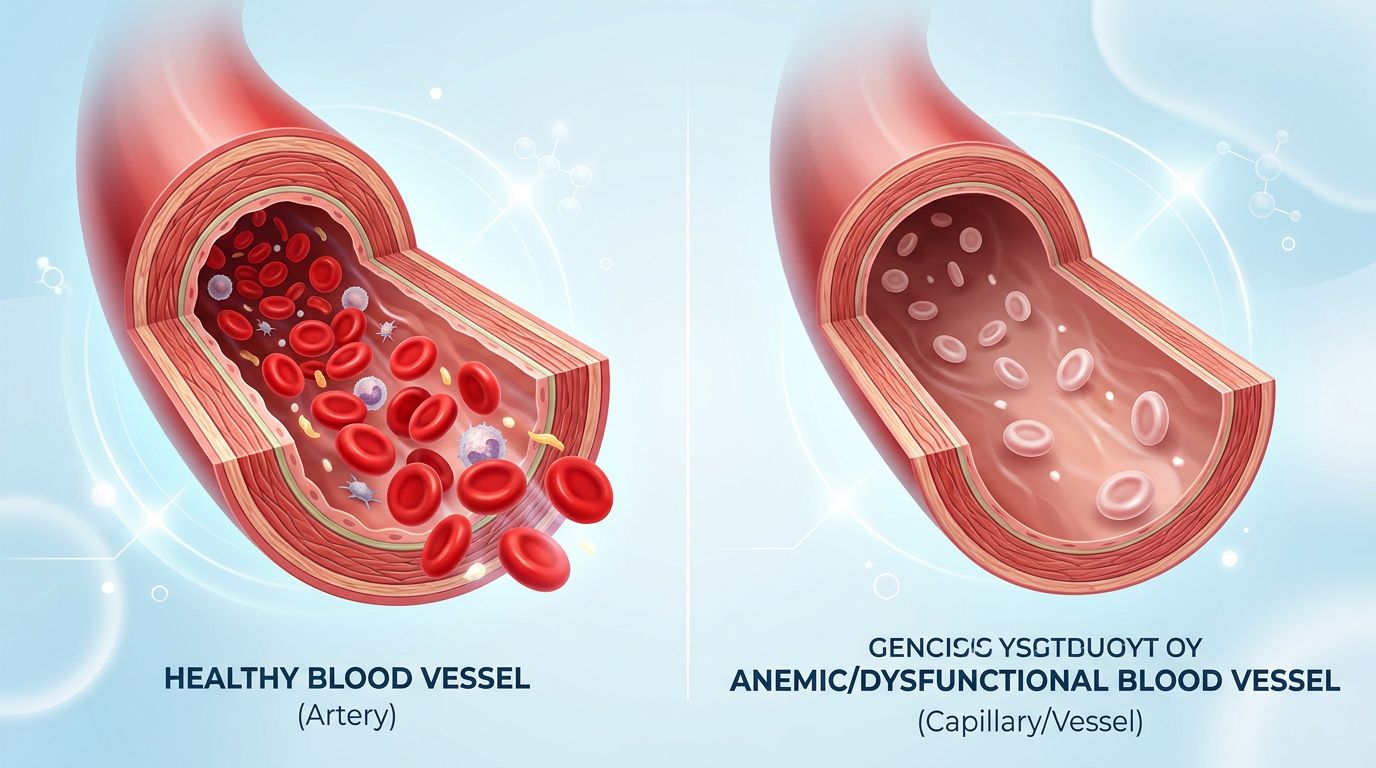
Anemia is not a disease in itself, but rather a clinical finding that indicates an underlying issue. At its core, anemia occurs when your hemoglobin—a protein in your red blood cells responsible for carrying oxygen from your lungs to the rest of your body—is too low. When your tissues don’t receive enough oxygen, your heart and lungs must work significantly harder to compensate, which manifests as the classic symptoms of fatigue and weakness.
There are several types of anemia, each with its own set of causes. From nutritional deficiencies to chronic illness or bone marrow disorders, the root cause determines the path to recovery. As an Internal Medicine physician, I emphasize that identifying the specific type of anemia is the most critical step in effective management.
- Inadequate production of red blood cells
- Increased destruction of red blood cells
- Blood loss (acute or chronic)
The Role of Hemoglobin
Hemoglobin acts like a delivery truck for oxygen. When these levels drop, your body enters a state of ‘oxygen debt,’ which affects everything from your cognitive function to your immune system response.
Common Symptoms and Fatigue Causes
When patients visit my office searching for the root of their fatigue, anemia is often at the top of my diagnostic checklist. While fatigue is the most frequently reported symptom, it is rarely the only one. Because every organ system requires oxygen to function, the clinical presentation of anemia can be broad and subtle.
Many patients describe a ‘heavy’ feeling in their limbs or a lack of mental clarity, often referred to as brain fog. These symptoms often develop slowly, leading people to normalize them until they reach a point of significant disruption in their daily lives.
- Persistent fatigue and weakness
- Pale or yellowish skin
- Irregular heartbeats or palpitations
- Shortness of breath during light activity
- Dizziness or lightheadedness
When to See a Doctor
If you notice a sudden drop in your energy levels, persistent cold hands and feet, or chest pain, it is essential to schedule an appointment for a blood panel to check your complete blood count (CBC).

Iron Deficiency and Other Common Triggers
The most common form of the condition is iron deficiency anemia. Iron is the primary building block of hemoglobin. Without sufficient iron intake or absorption, the body cannot manufacture enough red blood cells. In my Houston practice, I often see this linked to dietary habits, blood loss, or malabsorption issues.
Beyond iron, other deficiencies can lead to anemia, such as Vitamin B12 and folate deficiencies. These are essential for the production of red blood cells. Chronic conditions, such as kidney disease, inflammatory bowel disease, or autoimmune disorders, can also suppress the body’s ability to produce or maintain healthy blood cells.
- Dietary insufficiency (lack of iron-rich foods)
- Chronic blood loss (e.g., heavy menstrual cycles)
- Malabsorption disorders like Celiac disease
- Chronic inflammation or underlying medical conditions
The Importance of Gut Health
Sometimes the problem isn’t what you are eating, but how your body processes it. If your gut health is compromised, you may not be absorbing the nutrients necessary to keep your blood healthy.

Navigating Anemia Treatment in Houston
Finding the right anemia treatment in Houston begins with a thorough evaluation. There is no ‘one-size-fits-all’ remedy because treating the symptom without addressing the cause is ineffective. My approach involves a comprehensive blood panel to determine the type and severity of the anemia.
Once a diagnosis is confirmed, treatment plans are tailored to the individual. This might involve dietary modifications, specific oral supplementation, or, in more severe cases, addressing the underlying medical condition causing the blood loss or cell destruction. Regular follow-ups are vital to ensure that your hemoglobin levels are trending in the right direction and that your symptoms are resolving.
- Comprehensive blood work and iron studies
- Personalized nutritional and supplementation plans
- Management of underlying chronic health conditions
- Monitoring and follow-up care to ensure stability
Patient-Centered Care
I believe in empowering my patients through education. Understanding why your levels are low allows us to work together to create a sustainable plan for your long-term health.

Anemia is a manageable condition, but it requires professional oversight to identify the root cause and implement an effective strategy. Whether your anemia stems from an iron deficiency or a more complex medical issue, the path to feeling like yourself again starts with a simple blood test.
You don’t have to live with the constant weight of exhaustion. Your health and vitality are priorities, and addressing your blood health is a significant step toward a better quality of life.
Frequently Asked Questions
Can diet alone cure anemia?
While a diet rich in iron, Vitamin B12, and folate is crucial, it may not be enough to ‘cure’ anemia if the underlying cause is chronic blood loss or a malabsorption issue. Always consult with a doctor to determine the root cause.
How long does it take for anemia treatment to work?
The timeline for recovery varies depending on the severity of the anemia and the cause. Many patients begin to feel improvements in energy levels within a few weeks of starting appropriate treatment, but it can take several months to fully restore blood levels.
Is anemia dangerous?
If left untreated, severe anemia can lead to heart complications, such as an enlarged heart or heart failure, because the heart has to work much harder to pump oxygen-rich blood. It is important to treat it promptly.
Does Dr. Vuslat Muslu Erdem offer anemia testing?
Yes, as a board-certified Internal Medicine physician, I provide comprehensive diagnostic testing and personalized treatment plans for patients struggling with anemia and fatigue.